redlands activation series: Activation starts with vision
“Activation” has become a popular word in conversations about town centres
It appears in strategies, plans and public discussions with increasing frequency. But too often, activation is misunderstood as something temporary - a program of events, a splash of colour, a pop-up installation or a one-off initiative - all designed to generate short-term interest only.
In reality, the best activation starts much earlier than that.
It starts with vision.
If Cleveland Centre is to become a stronger and more vibrant place over time, then activation cannot be treated as a layer added at the end. It has to be embedded in the way the centre is planned, designed and connected. A successful centre is not activated by chance. It is activated by structure, clarity and good long-term thinking.
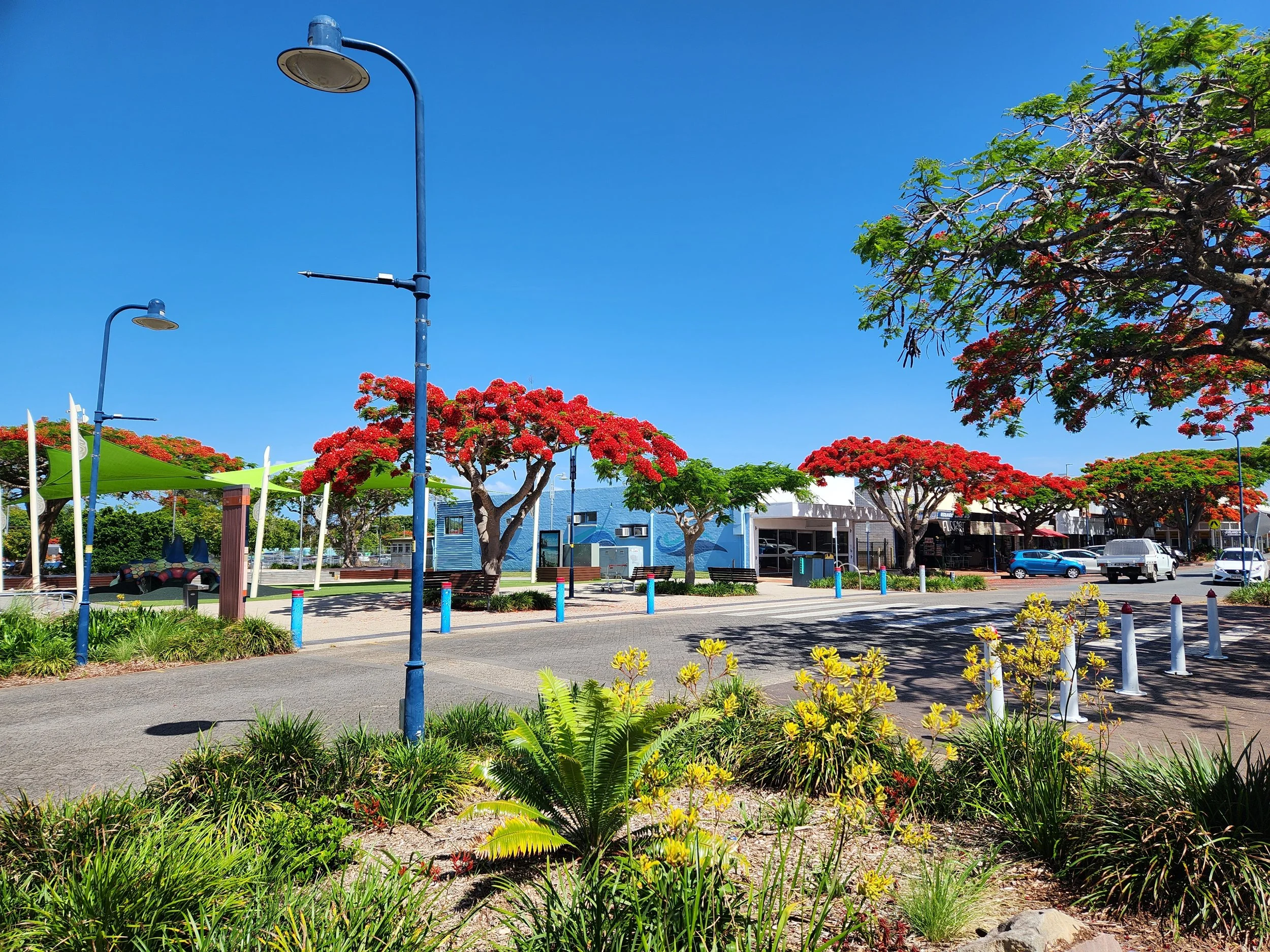
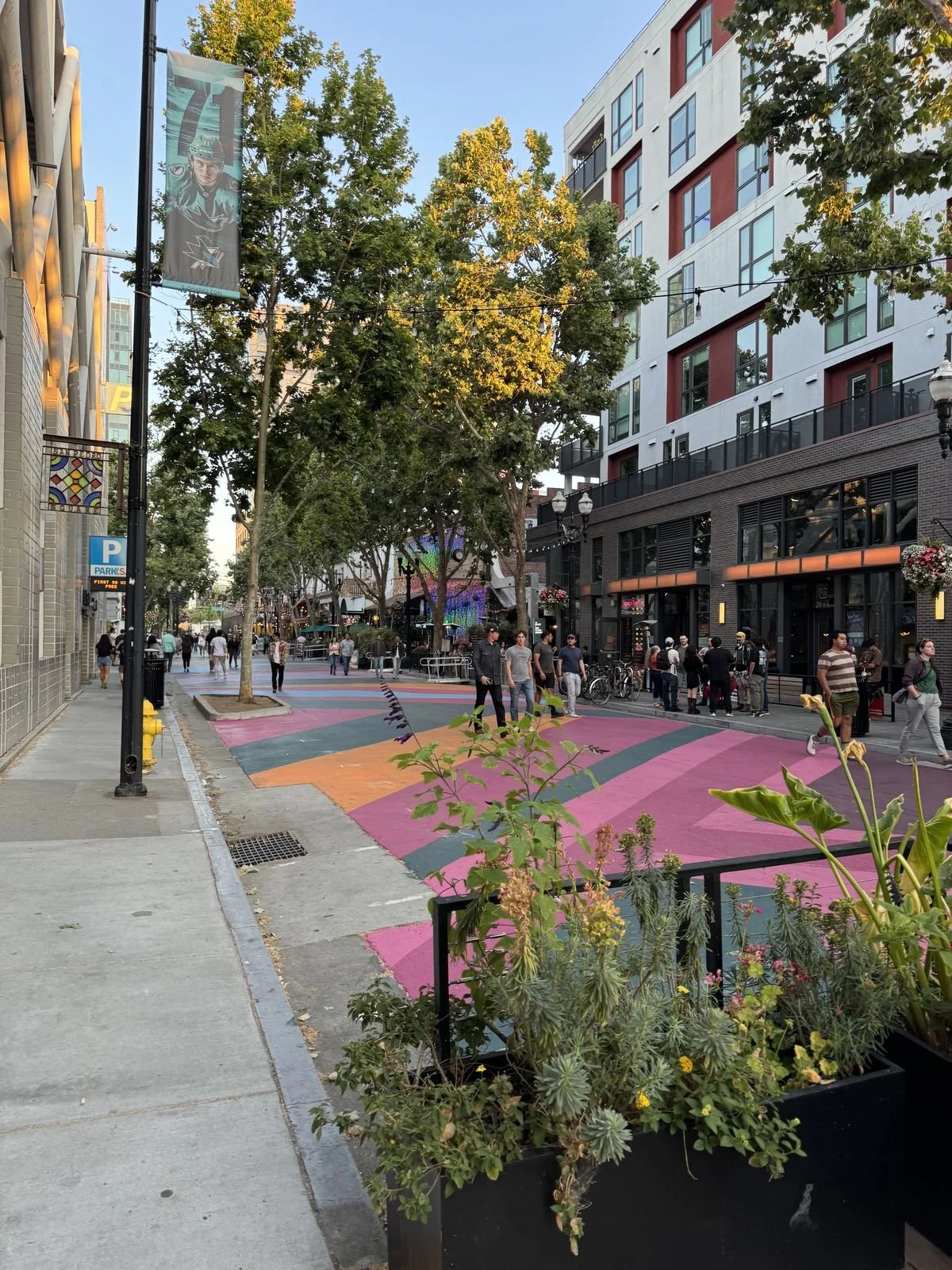
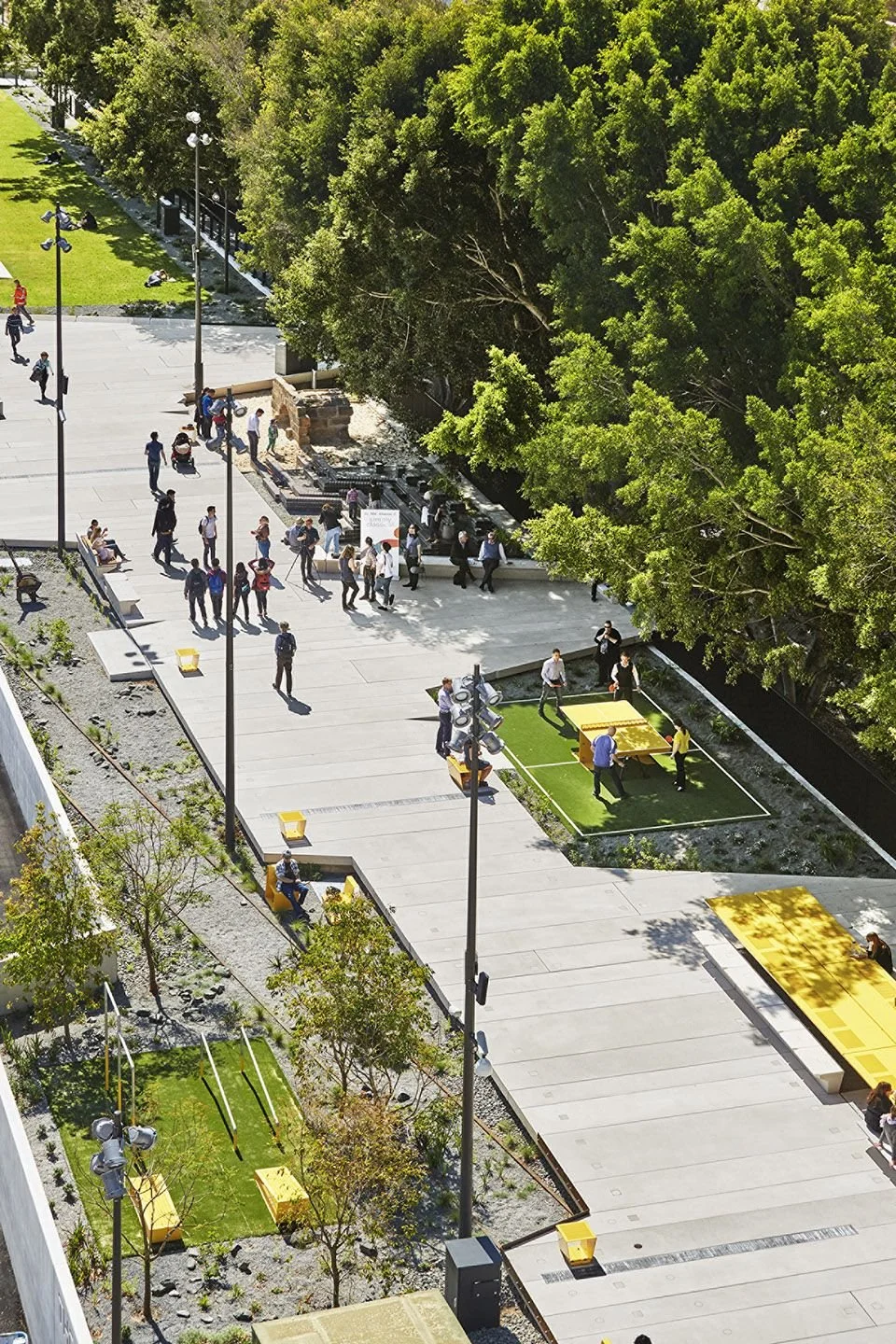
From a local architect’s perspective, this matters enormously. Real activation happens when a place is comfortable to walk through, easy to navigate and appealing to spend time in. It comes from active frontages, shade, seating, clear movement paths, safe public spaces, landscape, mixed uses and a public realm that feels cared for. In other words, activation is not decoration. It is the outcome of good planning and design.
That is why getting the vision right matters so much.
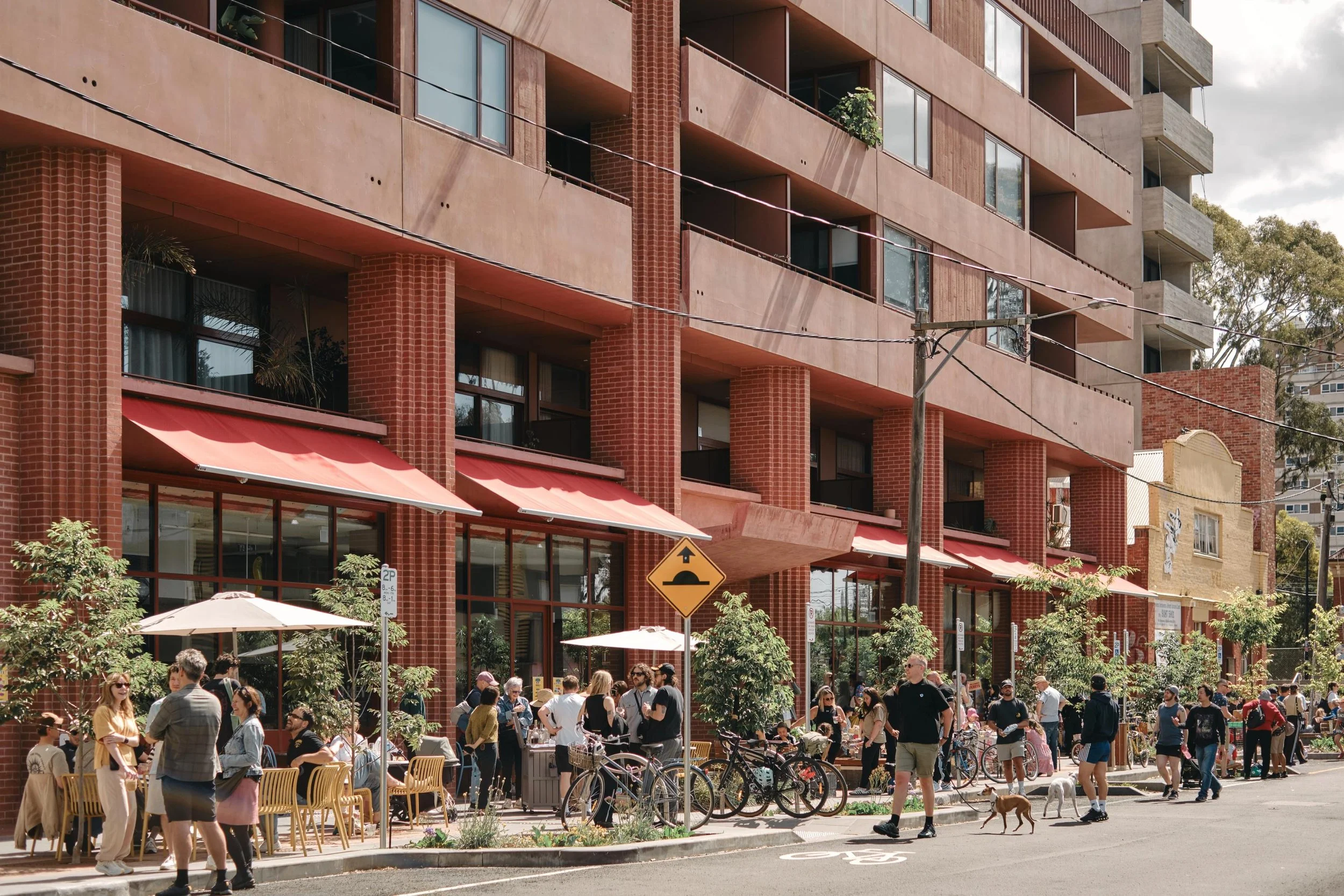
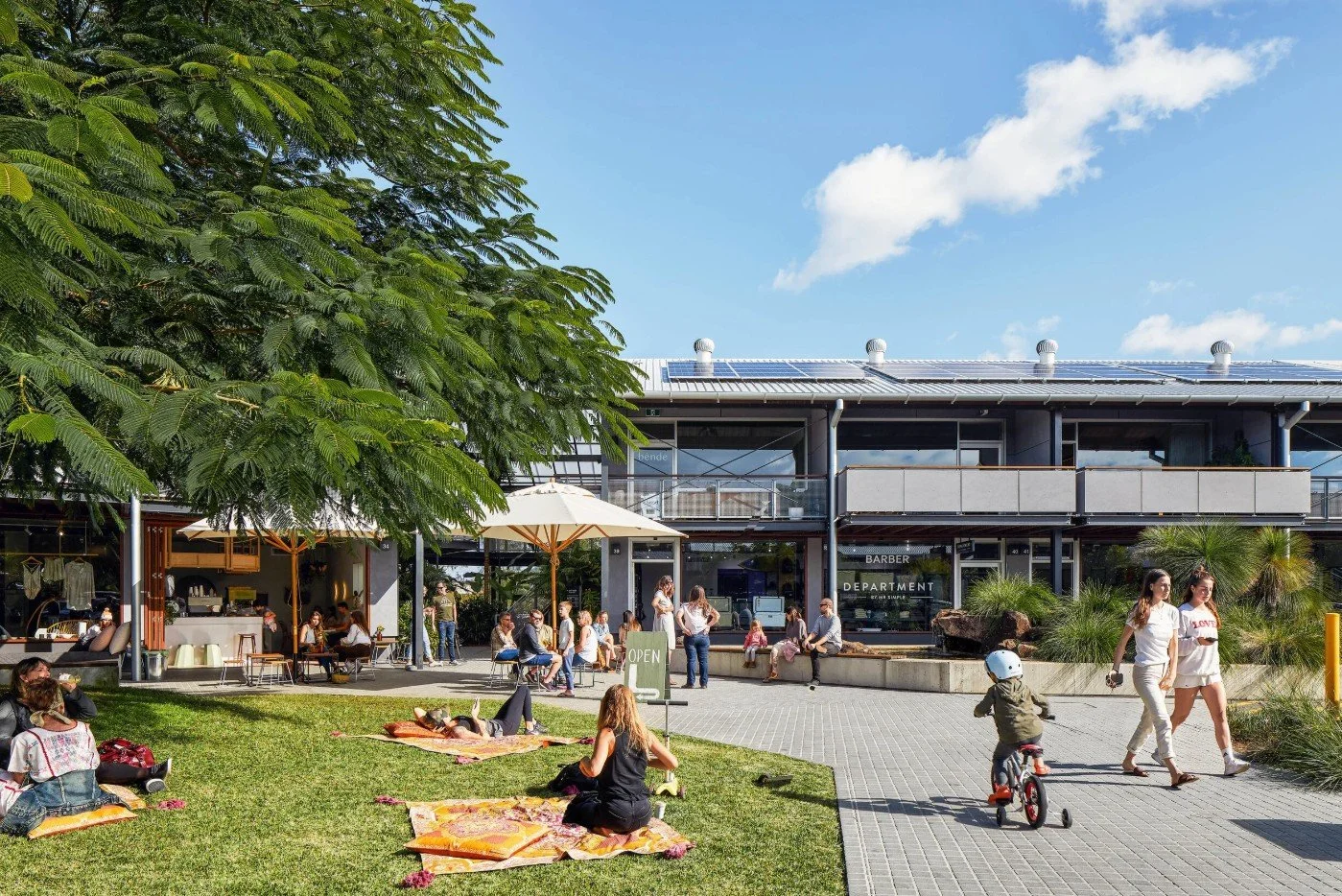
A clear vision gives people confidence. It helps the community understand where change is heading. It provides a framework for public investment and private development. It helps business owners make decisions, supports collaboration and creates continuity between projects that might otherwise feel disconnected. Without a long-term vision, even well-meaning improvements can remain fragmented. With one, a centre begins to feel coherent, purposeful and resilient.
This is especially important in Cleveland, where the opportunity is not to invent a place from scratch, but to build on qualities that already exist. Cleveland has a civic role, a bayside setting and a distinct identity within Redlands Coast. The task is to strengthen those qualities, not dilute them. Activation should reinforce Cleveland’s character, not compete with it.
That is why the current conversation around the activation of Cleveland Centre is so significant. It is really a conversation about how the centre will function in the future. Will it become more connected, more mixed in use, more inviting across different times of day, and better aligned with the way people live now? Will it support local business, public life and community confidence? Those outcomes do not happen through individual interventions alone. They happen when there is a bigger picture guiding the whole.
Good planning is often undervalued because its benefits unfold over time. But the places that feel natural, vibrant and successful are almost always the result of decisions made carefully and early. Vision shapes outcomes long before a building opens or a street upgrade is completed.
Cleveland deserves that level of thinking. It deserves a centre planned not just for immediate uplift, but for long-term value. It deserves public spaces that work, movement networks that connect, and development that contributes to a stronger overall identity.
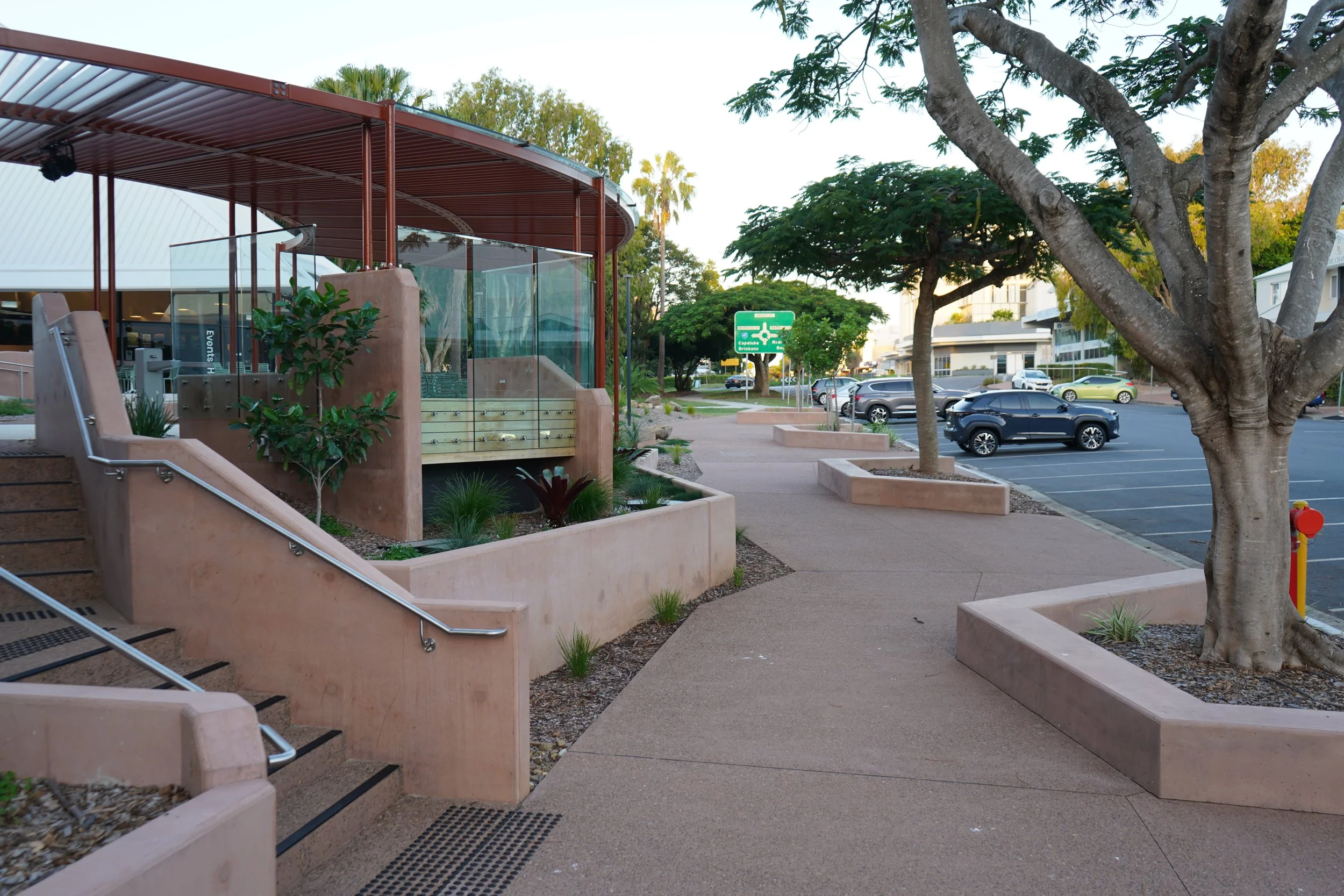
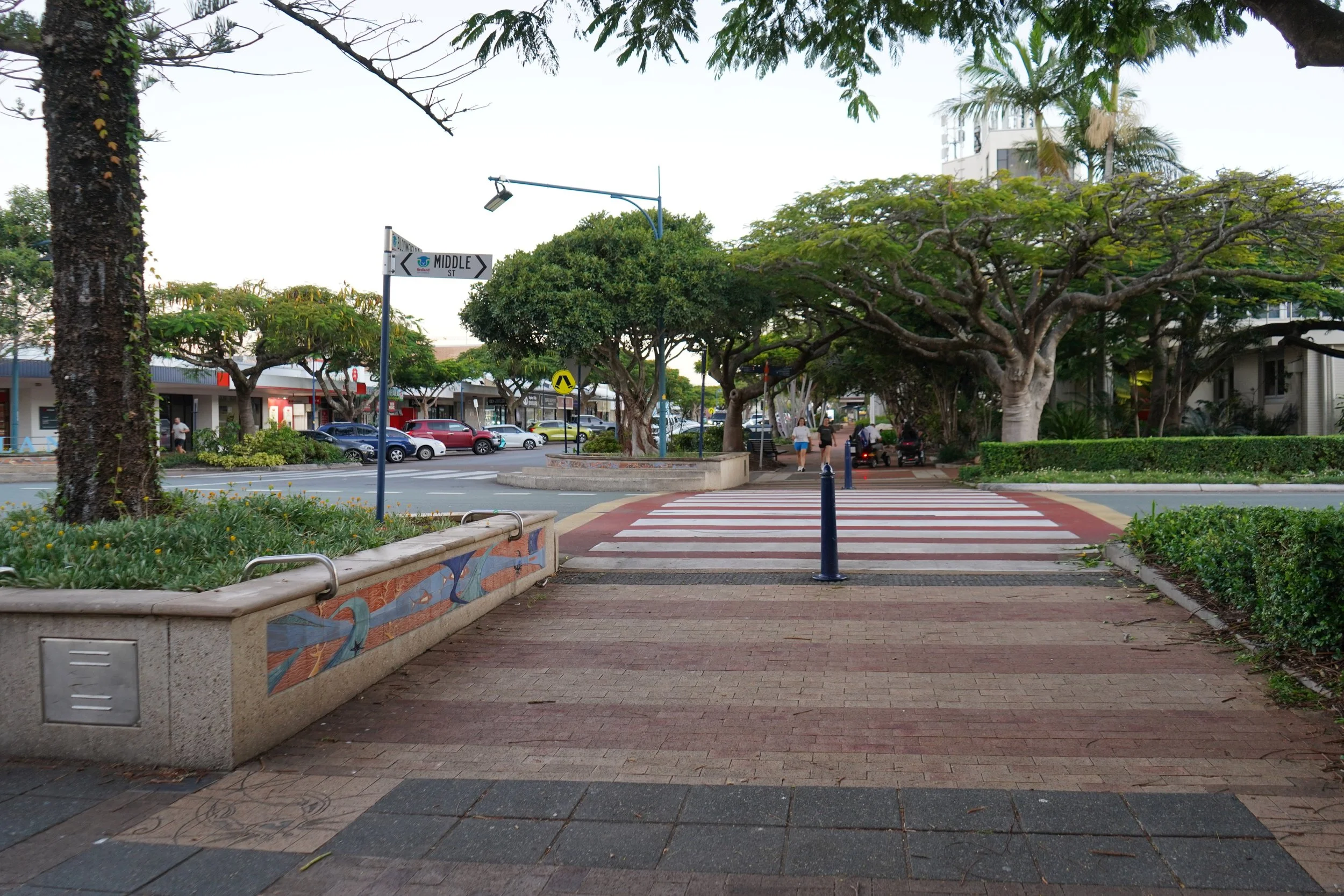
Activation, at its best, is the visible expression of a place that has been thought about properly.
That is why vision matters first.