cultural centres that truly belong to their communities
Cultural centres are among the most meaningful buildings a community can create. They are places of gathering, storytelling, performance, memory, and exchange. They hold the past and make room for the future.
But a cultural centre is not a generic building type. It cannot simply be a hall, gallery, or meeting room with a cultural label attached. To work well — to really work — it must be deeply connected to the people, histories, climate, and everyday life of its place.
Culture is lived, not displayed
One of the most important shifts in contemporary cultural design is moving away from the idea of culture as something purely exhibited.
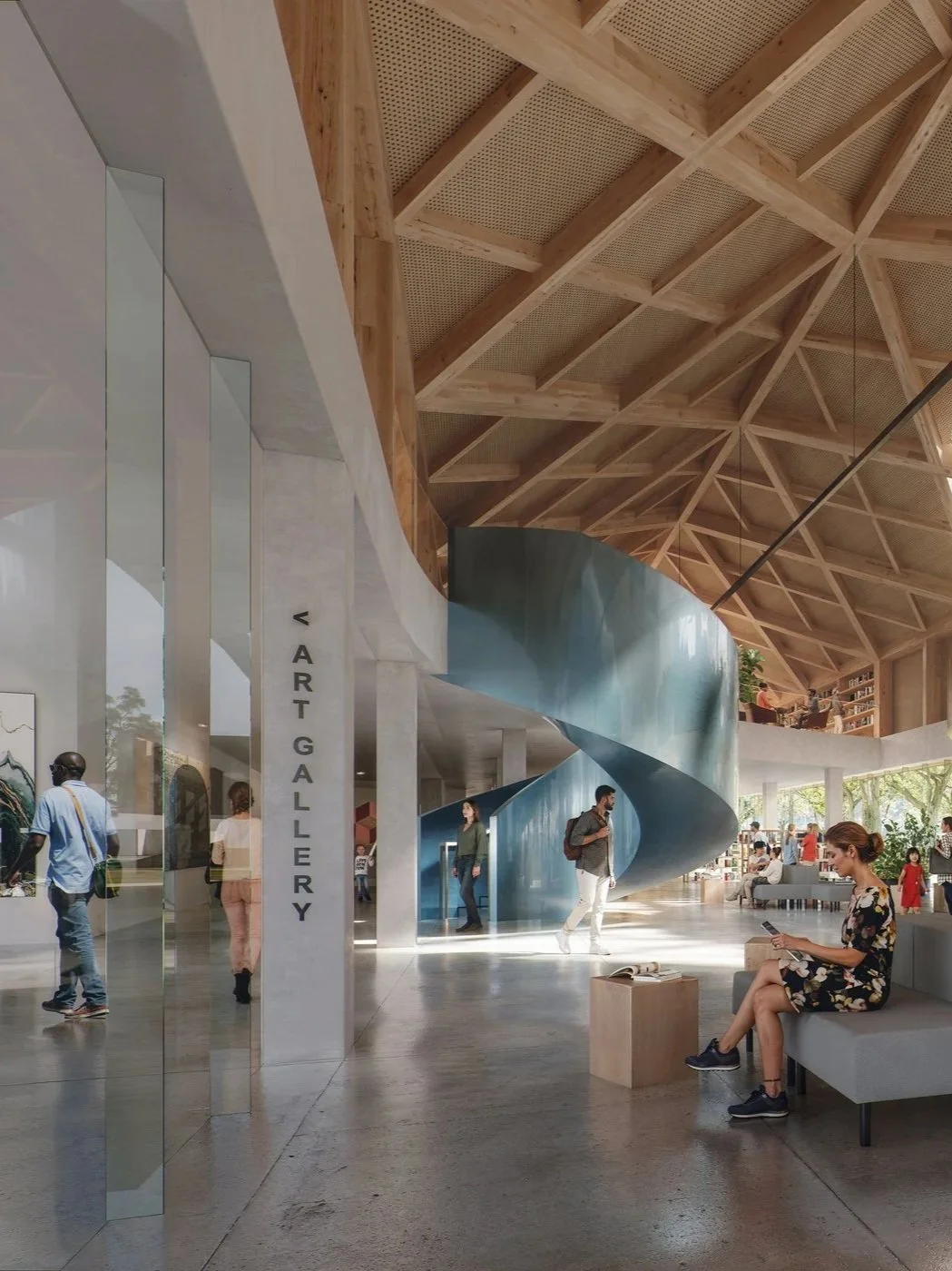
Culture is not only displayed behind glass. It is performed, cooked, spoken, taught, danced, debated, remembered, and shared. It belongs to elders, young people, artists, families, visitors, and local community groups. It is formal and informal, ceremonial and spontaneous.
A successful cultural centre must therefore support many different modes of use — spaces for celebration and quiet reflection, for large public events and small meetings, for programmed activity and unplanned gathering. The building needs to be generous enough to hold all of this, without trying to choreograph it.
Start with listening
The design of a cultural centre should begin well before the first line is drawn.
Community engagement is not a box-ticking exercise. It is a design tool — and often the most important one. Good engagement reveals how people want to gather, what protocols need to be respected, what stories need to be held, what activities are missing locally, and what barriers might prevent people from using the building at all.
In some communities, the priority will be performance and public celebration. In others, it may be language preservation, youth programs, maker spaces, community services, or places for intergenerational learning. These priorities cannot be assumed. The building brief should grow from genuine, sustained conversation.
(1)
(2)
(3)
Lessons from international examples
Around the world, successful cultural centres demonstrate how architecture can strengthen identity and public life — without prescribing a single architectural formula for doing so.
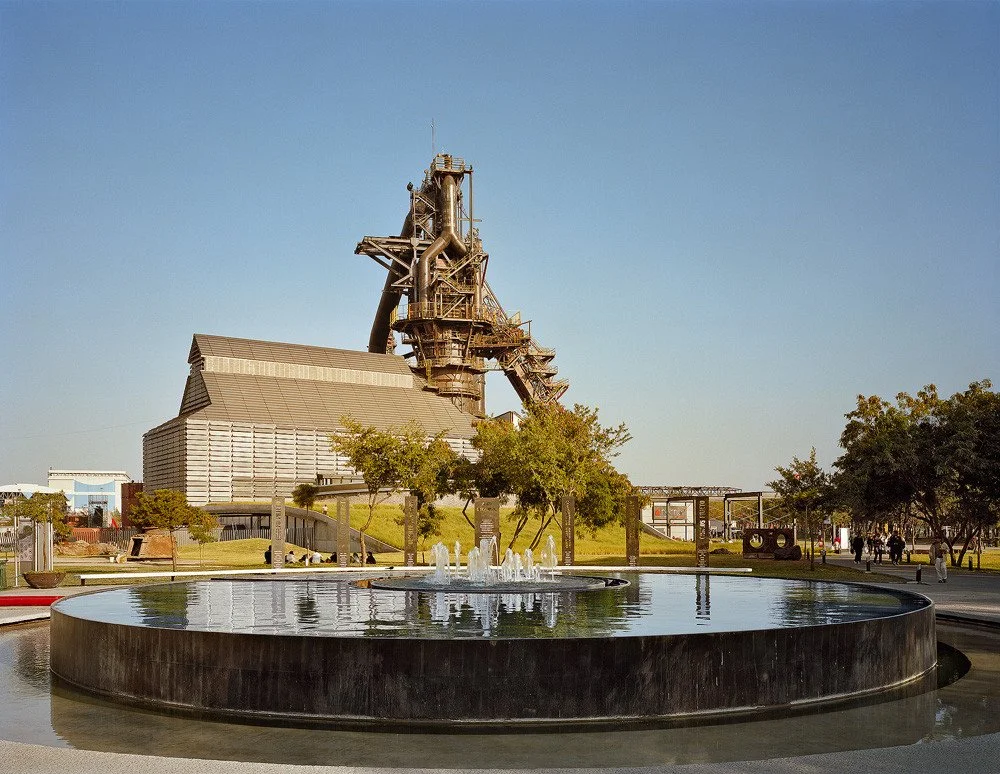
(1) The Museo del Acero Horno 3 in Monterrey, Mexico, transformed a decommissioned blast furnace into a living cultural and industrial heritage site — a striking example of adaptive reuse that finds meaning in what already exists.
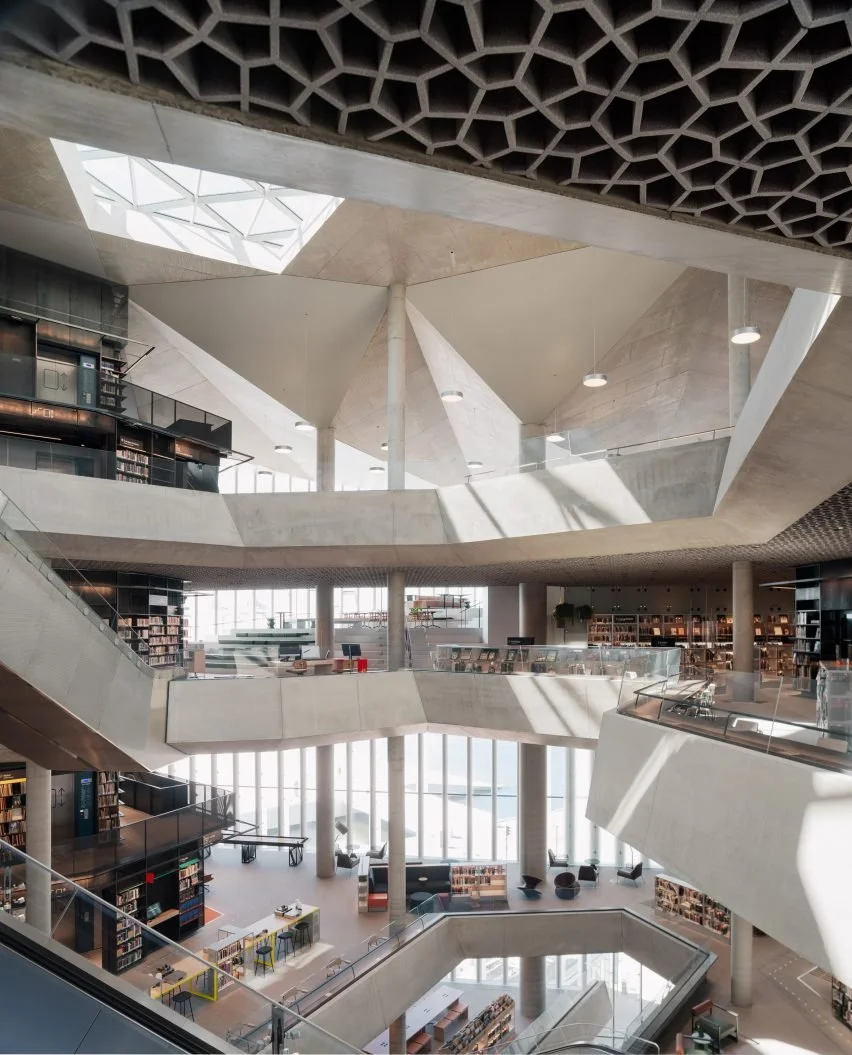
(2) In Oslo, the Deichman Bjørvika library has become a true civic living room, designed for radical openness and accessibility, with layered public spaces that invite people to stay, explore, and return.
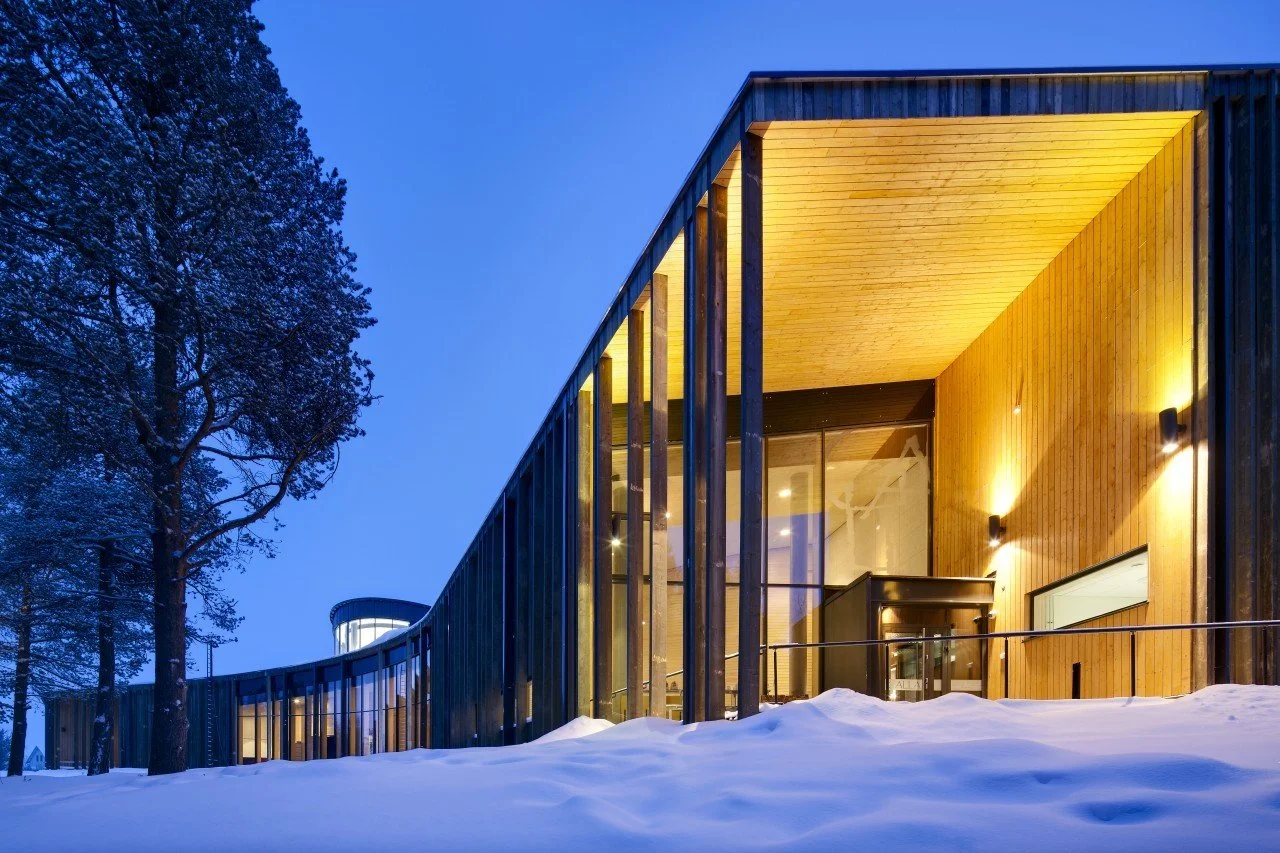
(3) The Sámi Cultural Centre, Sajos, in Inari, Finland, offers a quietly powerful example of architecture rooted in Indigenous identity and landscape. Designed by HALO Architects, the building draws on the spatial logic and materiality of Sámi tradition — timber, light, and the forms of the northern forest — without resorting to literal symbolism. It houses parliament, cultural programs, and community life under one roof, demonstrating how a single building can hold governance, identity, and everyday gathering together with great dignity.
What these buildings share is not a style, but a quality of intention. They are easy to enter. They support multiple uses. They make room for ceremony, learning, performance, food, art, and everyday life. And they understand that a cultural building cannot be static — communities change, and great buildings find ways to change with them.
Designing for welcome
A cultural centre must feel welcoming before someone reaches the front door.
This includes the approach from the street, the visibility of entrances, the use of shade and seating, the legibility of wayfinding, and the quiet but powerful sense that people are allowed to simply be there — without needing to purchase something, attend a ticketed event, or explain their reason for coming.
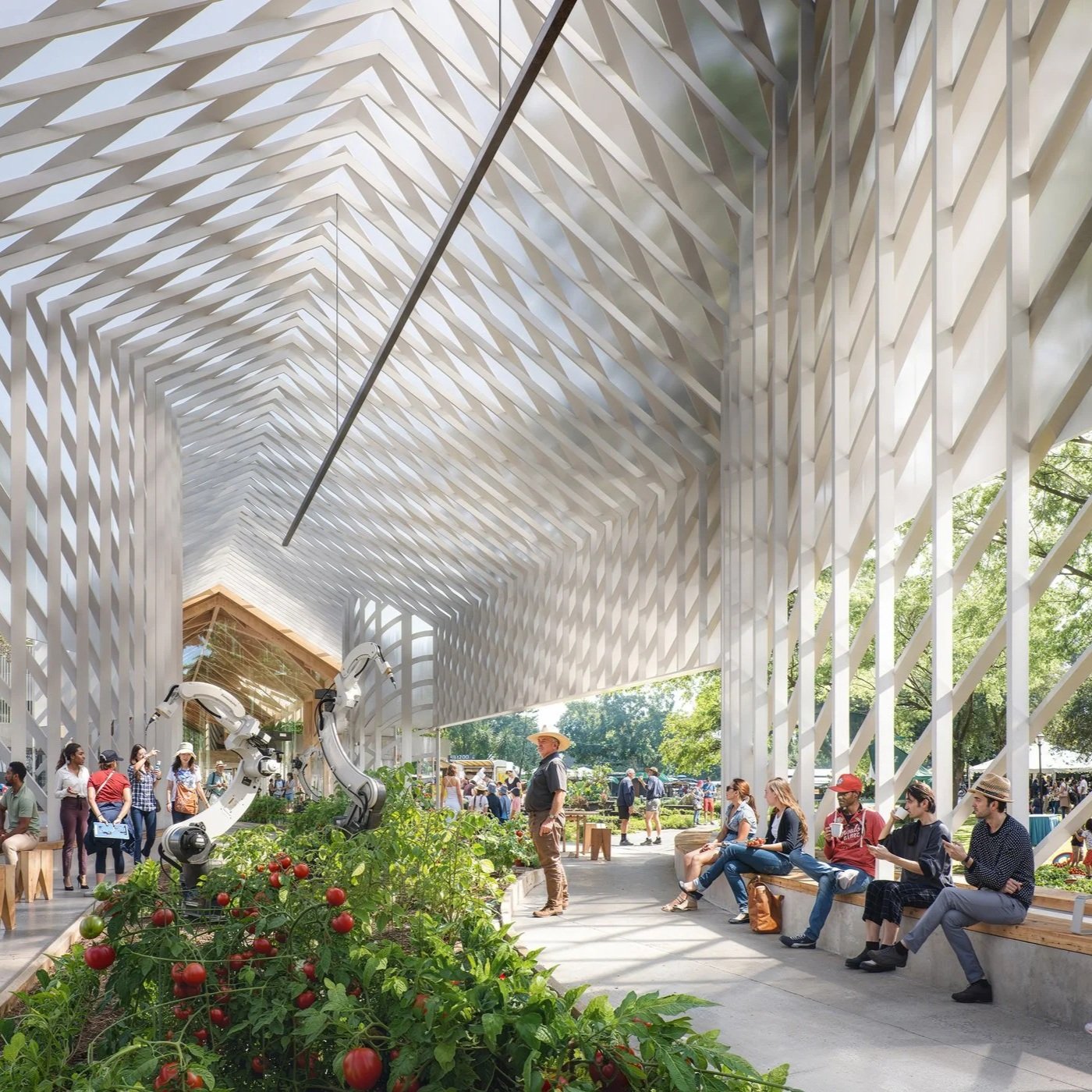
The threshold is especially important. A harsh, institutional entry can quietly discourage use. A generous verandah, courtyard, garden, or shaded forecourt can draw people in — extending the invitation before a word is spoken.
In Queensland, this idea of the outdoor room carries particular weight. Cultural life spills outside naturally in our climate, and buildings can actively support this through deep shade, flexible edges, cross-ventilation, and protected gathering areas that feel like genuine extensions of the interior rather than afterthoughts.
Flexibility without blandness
Flexibility is almost always requested in cultural projects — and almost always needs careful handling. A flexible building should not mean a bland one.
Flexibility should be specific rather than generic. A workshop room needs durable surfaces, storage, sinks, and outdoor access. A performance space needs acoustic separation, lighting infrastructure, back-of-house support, and blackout capability. A community hall may need to host weddings, meetings, exhibitions, markets, and training sessions across the same week.
Good design allows spaces to shift between uses while still feeling characterful, grounded, and connected to place. The goal is not a neutral container but a building with enough personality to inspire use and enough adaptability to sustain it.
Designing with care
Cultural centres often carry deep emotional and historical meaning. This is especially true when working with First Nations communities, migrant communities, or places shaped by complex and sometimes difficult histories.
Designing with care means respecting cultural protocols, properly acknowledging authorship, and understanding the difference between inspiration and appropriation. It means recognising that the architect's role is to support cultural expression — not to consume it, aestheticise it, or reduce it to a decorative gesture.
Materials, landscape, artwork, orientation, gathering patterns, and spatial hierarchy can all carry profound meaning. These decisions should be made collaboratively and with humility, always guided by the communities whose culture the building is there to serve.
A civic living room
At their best, cultural centres become part of everyday civic life — not just destinations for special occasions, but places people return to simply because they feel at home there.
When designed well, a cultural centre can function as a living room for its community: a place where local identity is visible, where people feel genuine ownership, and where culture is not only preserved but actively, continuously made.
The success of a cultural centre is not measured on opening night. It is measured over years — by whether people return, by whether the building bends to changing needs, by whether it strengthens the life of the community around it, and by whether it becomes, quietly and durably, part of how a place understands itself.